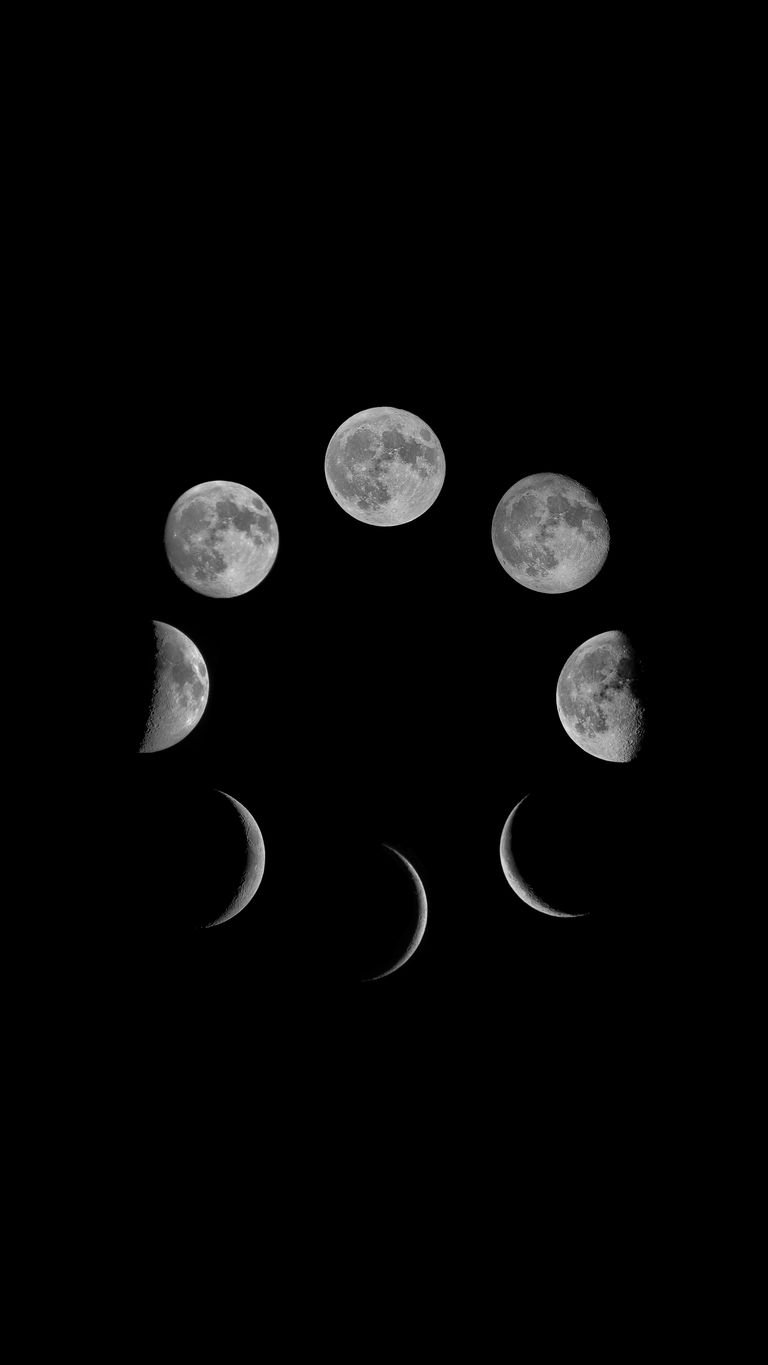
Hormonal imbalance in women rarely announces itself as a diagnosis. It shows up first in your cycle.
If your period suddenly changed – disappeared, became heavy, got painful, or PMS took over – you’re not broken. Your cycle is trying to tell you something.
Most women aren’t taught to listen. We’re taught to manage: take a pill, skip a period, endure the pain, push through. We treat our cycles like a logistics problem to be solved, not a signal trying to communicate. And when the signal gets louder, we assume our bodies have failed us.
Here’s what’s actually true: your cycle is one of the most honest vital signs you have. It reflects whether you’re eating enough, whether your nervous system can rest, whether you’re running on empty – often long before a blood test does.
The problem isn’t your cycle. The problem is that no one ever taught you what it’s supposed to be saying.
The HPG Axis: Your Cycle’s Master Conversation
Your cycle doesn’t start with your uterus. It starts in your brain.
Your hypothalamus releases gonadotrophin-releasing hormone (GnRH). Your pituitary hears that signal and releases two gonadotrophins – LH (luteinising hormone) and FSH (follicle-stimulating hormone). These travel to your ovaries, which respond by making oestrogen and progesterone – the hormones that reshape your uterus, warm your body and shift your mood.
This is not a one-way broadcast. This is a conversation.
Your ovaries’ hormones feed back to your brain, and your brain adjusts. Chronic stress or emotional strain can quieten the hypothalamus – and with it the pituitary and the ovaries. Under-eating relative to your activity interrupts the dialogue. Your gut bacteria influence how much oestrogen leaves your body and how much comes back.
When we say “hormonal imbalance”, we’re really describing a conversation that has broken down somewhere along this axis. And your cycle – the most visible part of it – becomes the messenger.
The Three Phases: What Normal Actually Looks Like
Hormonally, your cycle has three chapters. Understanding them isn’t about controlling your body. It’s about reading what your body is already doing.
Phase One: The Follicular Phase (Days 1–14, variable)
Your cycle begins on the first day of bleeding. Your pituitary releases FSH, which tells your ovaries to wake up.
A group of between 3 and 30 follicles begins to grow. Only one will mature and ovulate; the rest degenerate. As the follicles develop they release oestrogen – slowly at first, then, about seven to eight days before ovulation, faster and faster until it peaks.
Oestrogen thins your cervical mucus so sperm can pass, builds the lining of your uterus and reshapes your brain chemistry. Mood often brightens, energy returns, and many women feel their clearest and most social. As oestrogen peaks, FSH falls and LH begins to climb.
The signal this phase sends: I’m resourced. I have energy. I can build.
Phase Two: The Ovulatory Phase (Days 14–17, variable)
The LH surge is the trigger. Within 16 to 32 hours, the mature follicle releases its egg. Prostaglandins E and F rise to help the follicle rupture.
After ovulation, your basal body temperature rises by 0.3–0.5°C and stays up through the second half of the cycle – a measurable sign that progesterone has taken over. Energy, confidence and libido are often at their peak.
The signal this phase sends: I’m fertile. I’m primed. This is the moment.
Phase Three: The Luteal Phase (Days 18–28, average 14 days)
The empty follicle reorganises into the corpus luteum, which secretes progesterone – the hormone of the second half of your cycle. This is no longer about building; it’s about nourishing.
Progesterone thickens and transforms the lining of your uterus, making it ready to receive a fertilised egg. It thickens cervical mucus, keeps your temperature raised and has a calming effect on your nervous system. High progesterone and oestrogen hold LH and FSH down. If there’s no pregnancy, the corpus luteum fades, both hormones drop quickly, and the lining sheds.
Energy naturally turns down. Your need for food rises. Many women find their inner world becomes more visible – what they actually think, feel and need.
The signal this phase sends: I need to slow down. I need more food, more rest. I need to go inward.
What “Normal” Actually Means
Here’s what most cycle-tracking apps get wrong: a normal cycle is not 28 days.
The average cycle is 28 days, give or take three – yet only around 10–15% of normal cycles are exactly 28 days long. Most adult cycles fall between 21 and 35 days, and the average period lasts about four days, give or take two. Cycles also tend to lengthen in the first years after your periods start and again in the years before menopause.
Regularity matters far more than hitting a number. If your cycles are reliably 32 days, that’s your normal. If they suddenly stretch to 45, something has shifted.
The Five Signals of Hormonal Imbalance in Women
This is where it matters: what happens when the conversation breaks down. When one part of the axis stops listening, the whole system shows it – and your cycle is where you see it first.
These aren’t diagnoses. They’re messages. Your body is not broken; it’s communicating.
Signal One: Your Period Disappeared
Amenorrhoea – a period that’s been absent for three to six months – is a survival signal. Your body is conserving energy when conditions don’t feel safe enough for reproduction.
It can mean you’re under-eating for your activity level, training without enough recovery, under chronic stress or emotional strain, or not sleeping enough. It can also point to thyroid dysfunction, PCOS, ovarian insufficiency or a structural cause – which is why the first step is a proper medical evaluation. Once those are ruled out, the work is to restore what your body needs to feel safe again: nourishment, rest, a calmer nervous system.
Signal Two: Your Bleeding Became Heavy
Heavy bleeding has many possible causes: fibroids, adenomyosis, thyroid dysfunction, clotting disorders, or cycles where ovulation doesn’t happen and there’s no progesterone to regulate the lining. That’s why heavy bleeding always deserves a medical check first.
Naturopathically, it also points to how well your body is clearing its hormones. Your liver clears oestrogen; your gut decides how much of it actually leaves. When the liver is overloaded and the gut is out of balance, the hormonal picture shifts. Once medical causes are addressed or ruled out, supporting your gut and liver is where the work begins. Your Gut Determines Your Cycle explains how.
Signal Three: Your Pain Got Worse
Painful periods have a clear mechanism. At the end of the cycle, prostaglandins rise – particularly PGE2 and PGF2. They clamp down the small arteries feeding the lining of the uterus, and the muscle is briefly starved of oxygen. That ischaemia is the pain.
Period pain belongs to cycles in which ovulation has happened, and a lack of movement and anxiety about your period can intensify it. Period pain isn’t just part of being a woman. It’s one of the clearest signs of hormonal imbalance in women – and one of the most routinely dismissed.
Signal Four: Your PMS Took Over
PMS – the irritability, anxiety, mood swings, bloating, cravings and breast tenderness of the 7 to 10 days before your period – is a complex signal.
Naturopathically, PMS is a form of hypersensitivity to your own hormones. In the days before your period, oestrogen rises relative to progesterone. Oestrogen blocks vitamin B6, which the body needs to make serotonin and dopamine – so mood dips and cravings rise. And if your liver is overloaded, it clears fewer hormones, leaving you carrying your own. That’s why B6, alongside magnesium, calcium and zinc, is central to naturopathic PMS support.
Sensitivity, neurotransmitters, nutrients, liver clearance and stress resilience all interact here. PMS is rarely one thing.
Signal Five: Your Cycle Is Shifting
Perimenopause – usually from your mid-40s – sends a different signal. Your ovaries respond less to FSH and LH, follicles dwindle and ovulation becomes erratic. Progesterone falls first; oestrogen follows, fluctuating before it settles low. Your pituitary pushes harder to compensate.
Once the ovaries wind down, your adrenal glands become your body’s main source of oestrogen. That’s why their condition – and how much stress they’ve been carrying – shapes how this transition feels. Stress, Adrenals & Your Cycle explains why.
This signal is not a disease. It’s a natural transition. But it asks for recognition and support – especially for your nervous system, your adrenals and your reserves.
The Cascade: How One Signal Can Amplify Others
Here’s how connected these systems are.
A woman under chronic stress has a quietened reproductive signal. Ovulation weakens. Her corpus luteum doesn’t make enough progesterone, and it falls earlier than it should. Oestrogen now runs without its counterbalance – which feeds PMS, heavier bleeding and mood changes. Without enough progesterone, its calming effect on her nervous system fades too.
Stress has also unsettled her gut, so the bacteria that decide how much oestrogen leaves her body aren’t doing their job well.
She now has four symptoms: severe PMS, heavier bleeding, painful periods and an irregular cycle. They aren’t four separate problems. They’re one root cause – chronic stress, an unsettled gut and low progesterone – showing up across her system.
If she treats each symptom separately – an antidepressant for the mood, a painkiller for the cramps, the pill for the bleeding – the cascade continues underneath. The root cause is still there.
This is the grey zone. And it’s why your cycle matters: it’s one of the few systems honest enough to show you the whole picture at once. Signs Your Body Needs Help explains the grey zone in full.
Four symptoms. One root cause.
What Your Cycle Is Really Telling You
Your cycle isn’t there for reproduction alone. It’s a vital sign – as telling as your blood pressure, your resting heart rate or your sleep.
When your cycle runs well – regular periods, moderate bleeding, stable mood, steady energy – it’s saying: your body is resourced. Your nervous system can rest. Your hormones are communicating.
When it’s dysregulated – skipped periods, heavy bleeding, PMS that takes over, a cycle that won’t settle – it’s saying: something needs attention. You’re under-fed, under-rested, over-stressed, or your clearance pathways are struggling.
Your cycle is not punishment. It’s not a design flaw. It’s feedback.
And unlike many of your body’s signals, it’s one you can track, predict and learn from. You can see what shifts when you change your food, your stress, your movement, your sleep. You can watch your own biology respond in real time.What Comes Next
what comes next
This article lays the foundation: how your cycle works, and what it means when it doesn’t. The real work happens in the supporting articles:
- Your Gut Determines Your Cycle: The Estrobolome Explained – how your gut decides how much oestrogen leaves your body
- Stress, Adrenals & Your Cycle: Why 40 Feels Different – how stress and perimenopause meet
- Xenoestrogens: What We Know [/xenoestrogens] – the chemicals that mimic oestrogen, and what to do about them
- Eat & Move With Your Cycle – working with your rhythm, phase by phase
Your cycle isn’t broken. It’s just been trying to talk to you, and no one ever taught you the language.
It’s time to listen.